There is a selected hush whilst a windshield cracks. The sound is brief, just about tender, then silence and that unmistakable splintering bloom. Whether it happens on a winding coastal street in the back of a gravel truck or on a frigid morning when a small chip turns into a sprawling fissure, the next step is the related: exchange the glass. The resolution among OEM and aftermarket windshield replacement isn’t just a cost query, it’s a query of safeguard, technological know-how, refinement, and the way you significance the man or woman of your vehicle. If you care approximately the texture of a wonderfully weighted door close, the approach a cabin holds its calm at motorway pace, and the seamless position of driver aid procedures, the big difference subjects.
What OEM Really Means, and What It Doesn’t
OEM stands for normal system company. In prepare, meaning the glass is made to the automaker’s standards by using a contracted producer, then branded for that automaker. In many cases, the identical factories that produce OEM glass additionally make aftermarket pieces. The difference is the spec, the tolerances, the optical great requisites, and the mixing of the precise positive aspects the car become engineered to use. When a windshield incorporates the automaker’s emblem, it has met those exacting specifications in addition to the approvals required for that automobile’s ADAS ecosystem.
There is a chronic delusion that aftermarket robotically manner inferior. The certainty is extra nuanced. High-tier aftermarket manufacturers can bring glass that meets federal safety concepts or even fits thickness, laminate type, and effortless tint. On a vehicle devoid of difficult sensors, or whilst price range dictates, a properly-chosen aftermarket windshield can serve reliably for years. The complication starts when we go past overall glass and into what in these days’s windshields unquestionably are: structural participants, sensor housings, acoustic boundaries, and projection monitors.
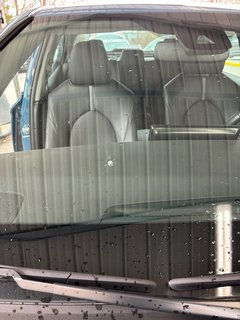
Safety First: Structure and Crash Dynamics
A windshield is portion of the body layout. When bonded successfully with the desirable adhesive, it contributes to roof crush resistance and airbag deployment geometry. During a frontal collision, the passenger airbag sometimes rides off the windshield prior to inflating towards the occupant. If the glass does now not adhere as designed, or if bond strength is compromised through rushed prep, the manner’s closely choreographed timing falters.
Both OEM and fine aftermarket windshields are laminated defense glass, and both must pass baseline safety tests. The difference is the exceptional print. OEM windshields healthy the curvature, thickness, and aspect profile the car changed into engineered around, which ensures relevant fit within the aperture and consistent adhesive touch. Some aftermarket pieces match a fraction of a millimeter otherwise on the corners or along the A-pillars. That may perhaps sound tutorial, but in precise malls we see what that means: more urethane to fill a gap, a bead that sits too high, a sophisticated area tension that ends up in rigidity cracks months later. A appropriate suit is simply not near to appears to be like, it's miles about how the windshield stocks plenty with the frame shell.
Optics, Distortion, and Driving Fatigue
Luxury cabins save you calm because everything feels effortless. Optics are element of that. Good glass disappears. The unsuitable glass draws your eye to faint ripples close the sides, a waviness inside the heads-up screen region, or ghosting below shiny streetlights. Aftermarket glass with looser optical tolerances can create a moderate magnification gradient or a smear for your peripheral vision. Drive with it for 2 hours at evening and also you’ll really feel it in your neck and temples.
OEM windshields are exact for curvature and wedge angles all the way down to tight tolerances, peculiarly for vehicles with HUD. The HUD photo is dependent on a laminated wedge to place the projection at optical infinity. Get the wedge angle wrong, even by using a hair, and the image doubles or blurs. Some premium aftermarket suppliers do provide HUD-suitable glass, yet outcomes vary through model line and year. I even have obvious past due-adaptation German sedans with flawlessly crisp HUD on OEM and mushy, three-dimensional ghosting on the aftermarket equivalent, even after cautious recalibration.
ADAS Sensors and Calibration: The Unseen Complexity
Camera modules in the back of the reflect, rain and light sensors, ahead radar incorporated inside the grille, infrared heaters to keep the digital camera clean in wintry weather, or even ocular-model lens mounts in the frit band - current windshields are busy places. The black ceramic frit around the perimeter isn’t just ornamental. It hides adhesives, shields sensors, and blocks UV which will degrade bond strains. If the frit’s opacity or sample deviates, the digital camera’s exposure can shift, affecting lane-holding and traffic signal realization. A small modification in broadband transmittance inside the close to-infrared spectrum can confuse a sensor that expects a particular profile.
Replacement right now calls for calibration. Static calibration uses goals at set distances and heights; dynamic calibration relies on excellent highway assessments. With OEM glass, you might be commencing with the precise optical houses the digicam changed into tuned for at the manufacturing unit. Aftermarket glass can move visual inspection yet transmit relatively numerous light, or shift the camera’s aiming with the aid of fractions of a measure. Most vans will nonetheless calibrate efficiently, but the margin shrinks, and the manner can take longer. On make a choice fashions - chiefly people with night vision, thermal cameras, or difficult stereo modules - I might keep playing. OEM is the safer bet.
Acoustic Control, UV Protection, and the Luxury Quiet
A quiet cabin is engineered, no longer unintentional. Part of that hush comes from acoustic laminated glass. Automakers specify PVB interlayers tuned for sound frequencies associated with tire noise and wind. Aftermarket pieces may well use a established acoustic interlayer, which dampens a few noise but misses the tuned profile. On a V8 grand tourer, I’ve measured a 1 to 2 dB increase in broadband wind noise after installing non-OEM glass, so much noticeable between 65 and 80 mph. It is not loud, yet it erodes that polished feel of effortlessness.
UV and sun control coatings additionally differ. OEM standards dictate transmission quotes for UV-A and UV-B, together with photo voltaic warm attain coefficients. Deviations impression no longer simply indoors trim longevity, however also how directly the climate system will have to respond on a sizzling day. A small exchange in IR rejection will become a authentic distinction in July site visitors.
Fit, Finish, and The Way the Car Feels
Every auto has a personality line that meets the windshield aspect. When more healthy is right, the transition disappears underneath the molding and the attention reads a fresh, continual shape. When suit is a little bit off, the trim sits proud on one facet, or a nook hole makes room for a whistle in crosswinds. OEM windshields, paired with OEM moldings and clips, convey that easy outcomes with fewer surprises. High-end aftermarket can suit it, yet it depends on the manufacturer and the installer’s staying power. The satan is in the consumables: primer determination, bead shape, ambient temperature, and the clamp schedule. Most purchasers not ever see these steps, they simply hear the faint hiss at 70 mph if whatever thing went sideways.
Price, Insurance, and When Aftermarket Makes Sense
Cost differs dramatically. For a mainstream sedan, the space might possibly be several hundred funds. For a luxurious SUV with a heated wiper park part, acoustic laminate, sunlight coating, rain sensor, digicam pod, and HUD wedge, OEM glass can run good over 1000 greenbacks, regularly double a widely wide-spread replacement. Insurance complicates things. Many rules authorize aftermarket unless OEM is “required” for safe practices or calibration. A suitable shop will record that requirement, noticeably whilst calibration fails on aftermarket or when HUD or night time imaginative and prescient issues show up right through testing.
There are clear circumstances the place aftermarket is a intelligent desire. Older vans devoid of difficult sensors, frivolously optioned trims, or fleet gadgets in which value potency subjects can do nicely with high quality aftermarket. There also are relied on aftermarket manufacturers focusing on particular models and bring notable in shape. In smaller markets, OEM will be on backorder for weeks. A smartly-sourced aftermarket windshield can get you lower back on the line correctly even though keeping up center efficiency.
The Role of the Installer: Craft over Component
Even the most popular glass shall be betrayed by using rushed paintings. The installer’s craft determines whether the car feels factory-refreshing or 2d-charge. Surface prep is meticulous: vintage urethane is trimmed to a blank base, pinch welds are inspected for rust, primers are implemented inside their open time, urethane is gunned in a constant triangle bead that matches the glass stand-off. The York car window glass replacement windshield should be aligned precisely, set lower than the right ambient prerequisites, and left to medication consistent with the adhesive’s standards. Shops that specialize in luxury vehicles have calibrated racks, OEM-authorised adhesives, and procedures to take care of Alcantara headliners and open-pore picket. They additionally take note the courtesy of wrapping A-pillars in the past taking away trim, and surroundings door glass to vent mode to keep away from pressure spikes that disturb the sparkling bond.
Mobile Auto Glass Replacement has matured, and for a lot of motors, it’s first-class. The good phone technician arrives with a sparkling van, temperature-controlled adhesives, on-car calibration kit, and the discipline to show down a task if wind or climate will compromise the influence. Still, a few autos deserve the controlled ambiance of a pitcher bay, extremely the place multi-sensor calibration is required or while the automobile’s inside ingredients call for more gentleness.
HUD, Infrared Heaters, and the Specialty Features That Tip the Balance
A few elements swing the determination decisively toward OEM. HUD-provided automobiles are the such a lot seen. The projected image will have to sit stable, crisp, and unmarried. When it doubles or creates a faint “shadow,” the wedge within the laminate is off, or the coatings aren’t wonderful. A top class aftermarket windshield labeled as HUD-geared up would possibly nevertheless range by using iteration. If you care approximately that crystalline, floating pace readout, OEM is the closest issue to assured pleasure.
Infrared heating ingredients embedded close to the digital camera are known on northern-marketplace items. They avoid the glass clear of ice wherein the sensor demands to look. If the aftermarket piece omits that ingredient or substitutes a the several resistance, the automobile would throw errors or the defogger runs erratically. Similarly, heated wiper park zones won't distribute heat evenly if the hint pattern transformations, top-rated to lingering ice at the threshold of your vision.
Sensors Behind the Mirror: Small Differences, Big Effects
Rain sensors examine mild refracted by the windshield. Their gel pads require a perfect optical interface with the glass. If the frit thickness is diverse, or the mounting pad angle shifts, the device misreads drizzle and either wipes unevenly or under no circumstances. Auto-dimming and automated top beam purposes place confidence in the related edge. OEM parts align these parts with uncanny accuracy. With aftermarket, which you could basically make it work, however it is able to take a 2nd gel pad, a repositioning, or a calibration rerun. Someone can pay for that exertions. If this is you, a more cost-effective windshield stops hunting cheap.
Claims You Can Trust, and the Ones You Should Question
Many providers claim their aftermarket windshield is “OE equal.” That word is slippery. Meeting federal defense necessities is needed, not a cherry on leading. True equivalence contains optical distortion indices, photo voltaic transmittance spectra, HUD wedge tolerances, frit patterning, and mount geometry. Ask the store whether or not they have got put in the identical logo on your right mannequin and selections equipment, how on the whole they had to recalibrate two times, and what their guaranty covers if HUD or ADAS are usually not splendid afterward. You need specifics, not known assurances.
The Real-World Experience: A Tale of Two Installs
A customer introduced in a past due-kind Range Rover Sport with a cracked windshield and continual ADAS faults after an out-of-the city substitute. The glass seemed perfect at a look. The difficulty become a two-stage yaw inside the digital camera’s mount and a frit that let a little bit extra IR through than inventory. The seller had done a dynamic calibration, yet it on no account held. We changed it with OEM glass, put in the appropriate digicam bracket, executed static calibration, then dynamic. Lane centering and signal reputation stabilized right this moment. The distinction rested on subtleties: the frit density, the exact bracket attitude, and the interlayer features. If you power on slender lanes, the ones subtleties changed into your strain degree.
By evaluation, a fleet of base-edition pickups used for web page visits bought excellent aftermarket windshields. No HUD, no digicam, only a rain sensor on more than one instruments. The installations went right now, calibrations had been hassle-free, and the can charge reductions unfold throughout a dozen vehicles paid for his or her spring provider. No proceedings, no returns. The process suit the glass.
How to Decide for Your Vehicle
Consider 4 variables: your car’s machinery, your sensitivity to refinement, your assurance insurance, and timing. If your vehicle has HUD, night time vision, stereo cameras, or a fame for finicky calibrations, OEM is customarily the choicest direction. If you personal a luxurious coupe with an acoustically tuned cabin and you word wind noise changes at present, spend money on OEM. If your car or truck is lightly optioned and you importance an efficient restore, a reputable aftermarket piece set up and calibrated through a meticulous retailer brings striking cost.
For many householders, comfort matters. Mobile Auto Glass Replacement is also seamless whilst carried out with the aid of the desirable workforce. Ask about their adhesive manufacturer and medication occasions, regardless of whether they carry OEM or more than one aftermarket grades, how they manage calibration on-web page, and what happens if calibration fails on the first strive. A able cellphone crew will gladly stroll you using their procedure and reschedule if climate may compromise the paintings.
Working With Insurance Without Compromising Quality
Talk for your insurer prior to the glass arrives. Some rules enable OEM with an additional rider or an out-of-pocket change. Ask your keep to rfile the desire for OEM you probably have HUD or complex ADAS. A brief note citing the motor vehicle’s characteristic set and former calibration worries with aftermarket can tip the selection. If your coverage calls for aftermarket, judge the very best-grade seller plausible and insist on a calibration printout later on. Keep that record; it proves the strategies meet the brand’s specifications post-install.
The Value of Time: Cure Windows and Calibration Windows
Modern urethanes can attain trustworthy-to-drive potential in as little as half an hour to some hours, based at the product and temperature. Safe-to-power is simply not the same as solely cured. An installer who respects the chemistry received’t rush. If your agenda is tight, plan the alternative while the car can rest for the endorsed window. Calibration additionally reward from adequate time. Static calibration demands a level surface, managed lighting fixtures, and a fresh field of view to the aims. Dynamic calibration performs fantastic all over sunlight hours on smartly-marked roads with stable speeds. There’s no luxurious in hurrying a approach that assists in keeping you risk-free at 70 mph.
Subtle Marks of a Great Install
You can see the signals for those who realize wherein to look. The bead line is even, without a urethane smear at the sprint. The cover seats flush, clips re-engage with a lovely snap, and there’s no stray rattle from the replicate housing on rough pavement. The rain sensor triggers predictably underneath a hose look at various. The HUD photograph is crisp in any respect seat heights. At parkway speeds, the cabin is still calm, and there’s no whistle whilst you move a semi in a crosswind. These are the little luxuries worth insisting on.
When Perfection Matters vs. When Pragmatism Rules
Not each and every automotive wishes perfection. Some vehicles stay demanding lives and deliver utility first. Others lift your family unit at night, in climate, on lengthy journeys where the cabin is your retreat. If you view your auto as a sanctuary, a touring salon where the fabrics and acoustics depend, OEM glass will honor that adventure. If you run a sensible fleet, or your motor vehicle is straightforward and sturdy, a sparsely selected aftermarket windshield deals solid efficiency and intelligent cost.
A Short, Useful Checklist
- Identify your automotive’s actual features: HUD, rain sensor, acoustic laminate, heated wiper park, digicam types. Ask your installer which glass manufacturers they endorse on your particular trim, and why. Confirm calibration can be played, and request the post-calibration record. Verify adhesive medication times and manage your day so the automobile rests wisely. Decide no matter if you value the ultimate five percent of refinement ample to favor OEM.
Where Auto Glass Replacement Meets Craftsmanship
Auto glass looks easy till it isn’t. The absolute best retailers deal with Windshield Replacement as a craft, not a commodity. They convey OEM and a brief checklist of vetted aftermarket options, they usually suit the answer to the car and the motive force, now not simply the VIN. They care about the quiet inside the cabin, the readability of your HUD at dusk, and the self belief you think when lane centering hands you back a straight, continuous line.
When you make a choice between OEM and aftermarket, you might be selecting the individual of your pressure after the crack is long gone. The appropriate resolution is the one that continues your vehicle feeling like itself. If you prize the luxurious of silence, the precision of state-of-the-art safe practices strategies, and the exactness of factory purpose, cross OEM. If you desire a valid, green fix and your car or truck is a good candidate, tremendous aftermarket glass put in with persistence and calibrated with care is funds effectively spent. Either manner, insist on a store that holds itself to the related in style you predict from the auto you power.